Navigating the ups and downs of chronic back pain is a challenging journey. While medication and therapy are common treatments, one key element often overlooked is the role of nutrition in managing discomfort. According to a leading spine specialist in Bangalore, a balanced diet can significantly benefit spinal health. From strengthening the backbone to aiding in post-surgery recovery, nutrition is vital in preventing injuries and offering a realistic chance to conquer chronic back pain.
Nutrition’s Impact on Spinal Health
Grasping the complex link between diet and spinal well-being is essential, particularly for those seeking alternative solutions to enduring pain. The spine is an intricate structure made of vertebrae, discs, and muscles; it demands a variety of nutrients for upkeep and smooth operation.
A proper diet helps keep the spine sturdy and aids in injury avoidance. Medical experts stress that nutrient-rich foods not only bolster the spine’s structure but also enhance the overall quality of life, empowering individuals to enjoy an active, pain-free existence.
Also Read: Transforming Heart Health Through Exercise
For many active and middle-aged individuals, the most common misconception is that spinal discomfort is purely mechanical—a result of wear and tear. In reality, modern diets often promote low-grade, systemic inflammation that silently targets the ligaments, tendons, and crucial intervertebral discs, making them brittle and slow to heal, which is the root cause of much persistent ache.
Essential Nutrients for a Resilient Spine
Many patients neglect how crucial nutrition is for spinal mechanics. However, a back care specialist in Bangalore will often highlight that specific nutrients are required to support the spine’s structure and reduce inflammation.
To maintain a healthy spine, ensure your diet includes these crucial elements:
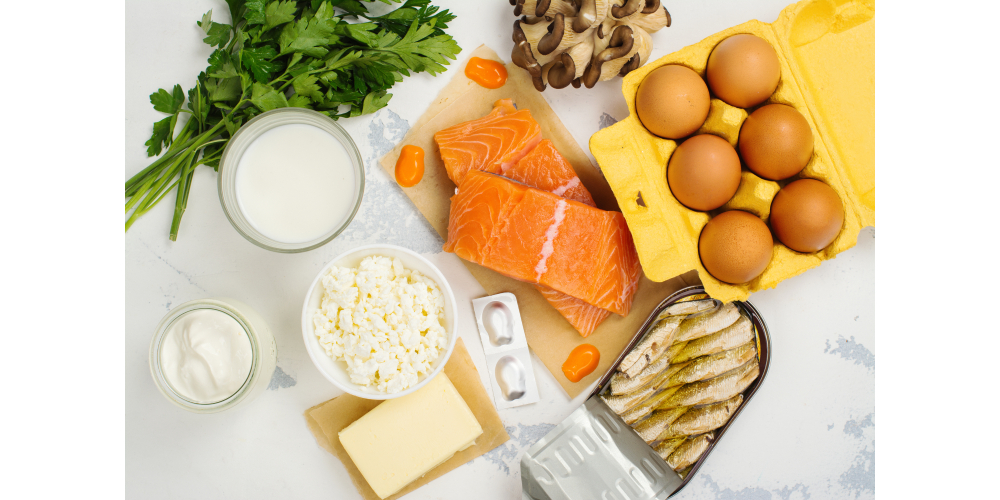
- Calcium and Vitamin D: Fundamental for bone strength, including the vertebrae. Excellent sources include dairy products, leafy greens, and safe exposure to sunlight for Vitamin D.
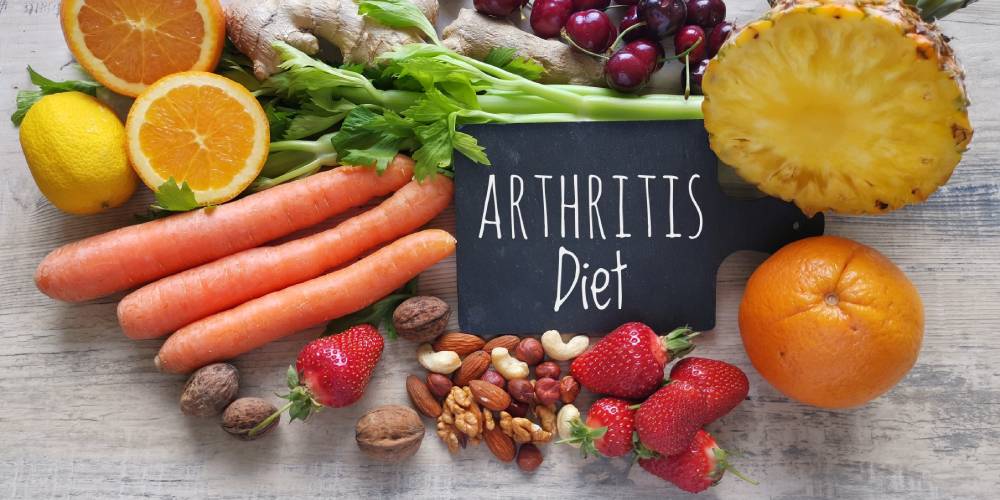
- Omega-3 Fatty Acids: Found in fatty fish (like salmon), seeds, and nuts. These have powerful anti-inflammatory effects that can lessen inflammation in spinal areas, easing discomfort.
- Protein: Necessary for muscle repair and growth to support the spinal column. It is readily available in lean meats, beans, and legumes.
- Antioxidants: These guard spinal tissues against oxidative harm. Berries, tomatoes, and leafy vegetables are loaded with these protective agents.
The Role of Hydration
Staying hydrated is critical for spinal health, yet it is often ignored. Intervertebral discs need water to function properly; they act as shock absorbers, and without adequate hydration, they can become brittle. Drinking plenty of water and consuming hydrating foods like fruits and veggies are essential steps in spinal nourishment.
Nutritional Strategies for Injury Prevention and Recovery
Nutrition is a comprehensive ally in both preventing injury and healing from it. A diet focused on ligament and tendon strength can lessen the risks of degenerative disc disease To know more.
Optimizing Post-Surgery Recovery
For patients undergoing procedures, diet becomes even more critical. A spine specialist will often intensify the focus on nutrition during the post-op phase. A nutrient-dense diet is necessary for tissue repair and reducing recovery duration.
Lean Proteins: Poultry, fish, and legumes aid in incision healing and muscle stability.
Whole Grains: Brown rice and quinoa offer fiber and B vitamins for overall wellness during periods of lower activity.
Conclusion: Your Partner in Spinal Health
Adopting a diet full of vital nutrients illustrates the power of food in supporting spinal wellness. Insights from medical experts reveal how nutritional strategies can greatly improve structural integrity, alleviate pain, and shorten recovery times. By prioritizing nutrition, you allow for proactive steps toward preventing spine issues, leading to a life without chronic back pain.